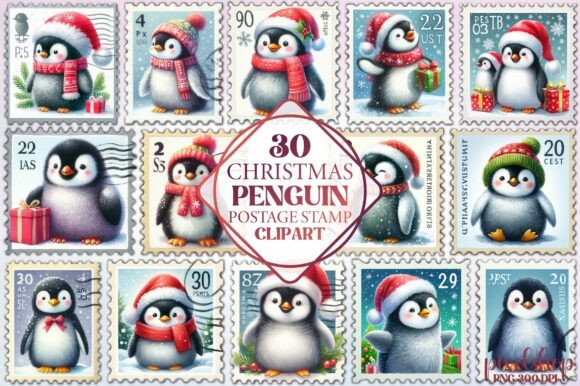
Christmas Penguin Postage Stamp Clipart Review
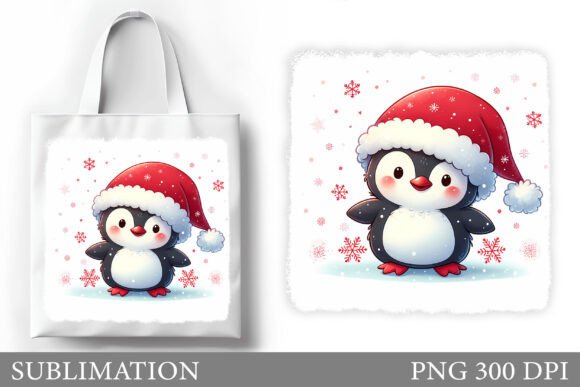
As an embroidery designer who spends more time than I care to admit staring at stitch charts and testing fabric swatches, I approach every new digital asset with a mix of excitement and skepticism. The market is flooded with clipart that looks charming on a screen but falls apart under the needle. That is exactly why I took Christmas Penguin Postage Stamp Clipart for a spin before committing it to any client work or personal project. I wanted to see if this illustration holds up as a serious machine embroidery design or if it belongs in the "cute but difficult" pile.
First Impressions: Mood and Visual Personality
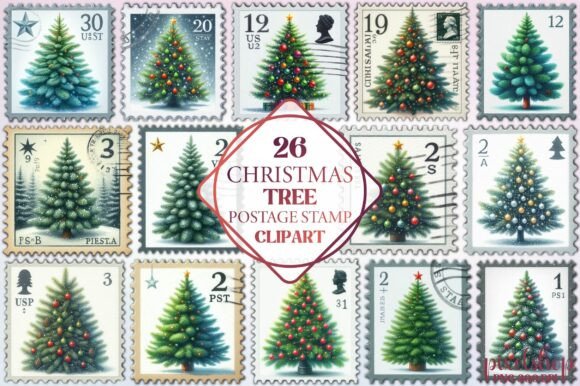
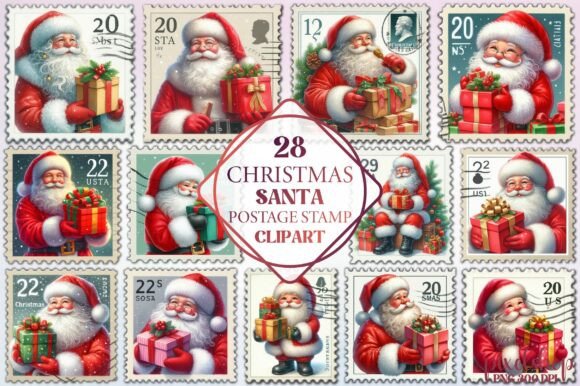
The moment you load this file, the mood is immediately established. It isn’t just a generic penguin; the postage stamp framing gives it a nostalgic, collectible feel. For designers looking to create a cohesive holiday collection, this kind of thematic consistency is gold. The layout feels structured yet playful, which translates well to the tactile nature of embroidery. Unlike free-form illustrations that can look messy when converted to stitches, the defined border of the stamp provides a natural boundary for your satin stitches and fill areas.
This embroidery file creates a sense of whimsy without being overly childish. It strikes a balance that appeals to both children and adults, making it versatile for various markets. Whether you are designing for a nursery or a boutique gift shop, the visual personality of this design suggests warmth and tradition. It feels like something you would want to receive in the mail during the holidays, which is a powerful emotional hook for buyers.
Real-World Application: From Screen to Stitch
Let’s talk about where this design actually shines. I envision this Christmas Penguin Postage Stamp Clipart performing exceptionally well on specific types of products. First, consider the classic embroidered patch. The stamp format naturally lends itself to a patch shape, perhaps with a scalloped edge or a clean straight stitch border. These patches are huge right now for customizing denim jackets, backpacks, and tote bags. If you are an Etsy seller or run a craft business, offering these as standalone patches allows customers to buy multiple designs for a personalized look.
Another strong use case is custom apparel, specifically sweatshirts and hoodies. A small-to-medium sized placement on the chest or pocket area works beautifully here. The stamp motif adds a graphic element that doesn’t overwhelm the garment. Similarly, for holiday embroidery projects, this design fits perfectly on kitchen towels or tea towels. The rectangular nature of a stamp complements the long, narrow shape of a towel, creating a balanced composition that looks professional and finished.
I also see potential in baby items. A soft, pastel-threaded version of this penguin could be adorable on a burp cloth or a baby blanket. However, for baby embroidery, detail level is critical. You need to ensure that the fine lines of the stamp border don’t get lost or become too stiff against delicate skin. This is where the quality of the digitization matters most.
Technical Considerations and Potential Pitfalls
No design is perfect, and knowing where to exercise caution is what separates a pro from a hobbyist. One area to watch closely is the stitch density. Postage stamps often feature intricate borders and small text elements. If the digitizer did not optimize the stitch density, you might end up with puckering, especially on lighter fabrics. Always check the underlay settings if you have access to the source file. High density is necessary for durability, but too much can make the fabric rigid and uncomfortable.
Fabric choice is another critical factor. This design will struggle on highly textured fabrics like chunky knits or bouclé. The stabilizer won’t sit flat, and the satin stitch edges may not form cleanly. Stick to smooth cottons, linens, or blends for the best results. Additionally, be wary of using this on stretchy fabrics like jersey unless you are using a heavy-duty cut-away stabilizer. Without proper support, the hoop marks and distortion can ruin the crispness of the stamp outline.
Color contrast is paramount. If you plan to embroider this on dark fabric, you must use light-colored threads for the main body of the penguin and the stamp border. Dark thread on dark fabric will cause the details to disappear entirely. Test your thread colors thoroughly. I recommend stitching a sample on black or navy felt first to see how the white or cream threads pop against the background. This simple step can save you from ruining expensive fabric.
Stitch Types and Detail Management
The success of this design relies heavily on the interplay between different stitch types. The outer border likely uses a satin stitch for definition, while the inner details might rely on fill stitch or even running stitch for finer textures. If the running stitch segments are too long, they can break easily during washing. Conversely, if the fill stitch areas are too dense, the design will lose its breathability. When evaluating the file, zoom in on the corners of the stamp. Are they rounded or sharp? Sharp corners in satin stitches can lead to thread breaks, so look for slight rounding or optimized corner jumps.
Commercial Viability and Branding
For those selling handmade products, presentation is everything. This Christmas Penguin Postage Stamp Clipart has a built-in aesthetic that suggests quality and attention to detail. It feels curated rather than mass-produced. When you photograph your finished product, this design stands out because it tells a story. It’s not just a penguin; it’s a holiday keepsake.
Consider how this fits into your broader brand identity. If your shop focuses on rustic, vintage-inspired goods, this design aligns perfectly. It enhances brand consistency by reinforcing a theme of nostalgia and warmth. For personalized gifts, you could add names or dates within the stamp frame, turning a standard design into a unique item. Just ensure there is enough space in the digitization to accommodate additional text without overcrowding the penguin figure.
Practical Designer Notes Before You Stitch
Before you commit to a full production run, follow these essential steps:
- Test on Scrap Fabric: Never assume a design will work on your final material. Stitch it out on a scrap piece of the same fabric type to check for tension issues and puckering.
- Check Hoop Size: Ensure the design fits comfortably within your machine’s hoop size, leaving room for any personalization text if needed.
- Inspect Small Details: Look closely at the eyes, beak, and stamp perforations. Are they distinct, or do they merge together? If details are too small, consider simplifying the design in your digitizing software.
- Verify Licensing: This cannot be overstated. Confirm whether you have commercial rights to sell finished products made with this digital embroidery file. Many clipart licenses restrict commercial use, and violating them can lead to serious legal issues.
- Use Proper Stabilizer: Match your stabilizer to your fabric weight. A lightweight tear-away might suffice for a thick canvas tote, but a stable cut-away is better for a thin cotton t-shirt.
Final Verdict
Christmas Penguin Postage Stamp Clipart is a charming, well-structured design that offers great potential for holiday-themed embroidery projects. Its versatility allows it to shine on apparel, home decor, and accessories, provided you pay attention to fabric choice and stitch density. For small shop owners and creative entrepreneurs, this asset can add a touch of professional polish to your inventory. It is not just a cute image; it is a functional design element that, when executed correctly, results in a high-quality finished product that customers will love. Just remember to test, plan, and respect the technical limits of your machine and materials.