Christmas Candy Basket Clipart Review
As a designer who spends half my day in digitizing software and the other half testing stitch-outs on scrap fabric, I’ve learned to look past the pretty preview image. When I pull a new asset like Christmas Candy Basket Clipart into my workflow, I’m not just looking at pixels; I’m calculating stitch density, anticipating thread breaks, and visualizing the final product on a customer’s chest or tote bag. This review is about whether this particular design holds up under the needle, or if it’s better left as a digital sticker.
First Impressions and Visual Personality
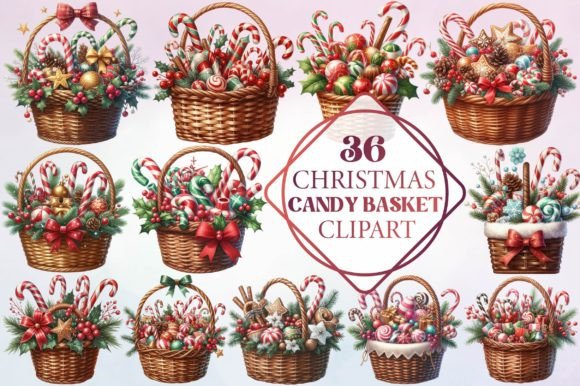
The immediate appeal of Christmas Candy Basket Clipart lies in its nostalgic warmth. It captures that specific cozy holiday vibe that sells so well in the handmade market. The composition feels balanced, suggesting a basket overflowing with sweets, which naturally draws the eye. For an embroidery project, the initial visual weight is promising. It doesn’t scream for attention with chaotic energy but rather offers a friendly, inviting presence that works well for family-oriented brands.
However, the transition from illustration to embroidered object requires scrutiny. The charm of the original graphic often relies on subtle shading or thin lines that can get lost when converted into thread. My first question was always: does the design rely too heavily on delicate details? If the candy wrappers or basket weave are too intricate, they risk becoming a muddy mess of stitches. In this case, the shapes appear bold enough to survive the digitization process, provided the file is set up correctly.
Real-World Application: The Custom Tote Bag Scenario
To truly test a design, you have to imagine it in use. Let’s say I am preparing a batch of custom canvas tote bags for a local holiday craft fair. These bags need to be durable, visually clear from a distance, and instantly recognizable as festive merchandise. Christmas Candy Basket Clipart fits this brief beautifully. The central placement on a tote bag allows the full shape of the basket to breathe.
When stitching this onto a heavy cotton canvas, the design needs to anchor itself. A machine embroidery design of this nature benefits from a solid base. I envision using a dense fill stitch for the main body of the basket to give it texture and durability. The candies themselves might work well with satin stitches to create a smooth, slightly raised effect that mimics the glossy wrapper of real candy. This contrast in stitch types adds depth, making the finished product feel premium rather than flat.
For small business owners and Etsy sellers, this kind of versatile imagery is gold. It transitions seamlessly from a large tote bag to a smaller item like a kitchen towel or a baby onesie. The theme is universal enough to appeal to parents buying gifts, teachers looking for student presents, or anyone decorating their home for the season. It’s not niche; it’s broadly appealing, which reduces the risk of unsold inventory.
Where Caution Is Required
Not every surface is created equal, and Christmas Candy Basket Clipart will behave differently depending on where you place it. There are specific scenarios where this design might struggle.
- Small Hoop Sizes: If you attempt to stitch this on a tiny patch or a miniature ornament, you may lose definition. Fine details in the candy wrappers could merge together, turning distinct shapes into indistinguishable blobs. Always check the minimum recommended hoop size before committing to a small project.
- Textured or Stretchy Fabrics: Embroidering on chunky knits, fleece, or stretchy jersey requires extra stabilization. Without proper support, the tension of the stitches can pucker the fabric, distorting the basket’s shape. On textured fabrics, the thread might not lay flat, hiding the design’s best features.
- Dark Fabrics: While dark backgrounds can make bright candy colors pop, they also hide imperfections less forgivingly. Any skipped stitches or loose threads will be immediately visible. Ensure your thread colors offer high contrast against the fabric.
- Curved Surfaces: Attempting to stitch this on the front panel of a curved cap can be tricky. The perspective shifts, and flat designs can look distorted if not digitized specifically for curvature. A flat-lay application is safer for maintaining the integrity of the artwork.
Stitch Density and Clarity
The success of any embroidery file hinges on stitch density. If the design is too sparse, it will look cheap and flimsy. If it’s too dense, the fabric will become stiff and prone to puckering. For a design like this, a moderate density is ideal. You want the basket to feel substantial, but the individual candies should remain distinct. I recommend reviewing the stitch map in your software to ensure there are no overlapping areas that would cause needle strikes or thread breaks.
Another critical factor is the use of different stitch types. Relying solely on fill stitches can make the design look monotonous. Incorporating satin stitch for outlines or running stitch for fine details (if the resolution allows) can elevate the professional quality of the piece. This variety keeps the viewer engaged and adds a tactile element that customers appreciate.
Product Value and Brand Consistency
From a commercial standpoint, how does this design affect your brand? Using high-quality, well-executed embroidery builds trust. Customers associate neat, precise stitching with professionalism and care. Christmas Candy Basket Clipart, when stitched cleanly, signals that you pay attention to detail. It enhances the perceived value of your handmade product.
Consider the packaging and presentation. A finished personalized gift featuring this design looks thoughtful and festive. Whether it’s a monogrammed apron for a hostess gift or a set of embroidered tea towels, the imagery ties everything together. It creates a cohesive narrative around your shop’s aesthetic. For commercial embroidery projects, such as corporate holiday gifts, this design strikes the right balance between fun and appropriate.
Practical Designer Notes Before You Stitch
Before you rush to produce a bulk order, take these steps to ensure success:
- Test on Scrap Fabric: Never assume a design will work perfectly on your final material. Stitch it out on a scrap piece of the same fabric type to check for puckering, color accuracy, and stability.
- Check Thread Contrast: View your design in black and white mockups. Does the contrast hold up? Will the light-colored candies disappear against a pastel background?
- Inspect Small Details: Zoom in on the digitized file. Are the tiny elements likely to fray or unravel after washing? Simplify them if necessary.
- Confirm Licensing: If you plan to sell the finished items, verify the license terms. Some illustrations allow personal use only, while others permit commercial sales. Ignoring this can lead to serious legal issues.
- Use Proper Stabilizer: Choose a stabilizer that matches your fabric weight. Tear-away for wovens, cut-away for knits. This prevents distortion during and after stitching.
Final Verdict
Christmas Candy Basket Clipart is a strong contender for holiday-themed embroidery projects. Its charming aesthetic and adaptable layout make it suitable for a wide range of products, from tote bag design variations to sweatshirt embroidery accents. However, its success depends entirely on execution. Pay attention to stitch density, fabric choice, and stabilization.
For the experienced designer, this asset offers a reliable foundation for creating profitable, beautiful goods. It’s not just a cute picture; it’s a viable component of a successful craft business strategy. Just remember: the magic isn’t just in the design file—it’s in the careful preparation and precise stitching that brings it to life. Test thoroughly, stitch confidently, and let the quality of your work speak for itself.